
Written by Hudaa Ahmed | Published by Happening News SA
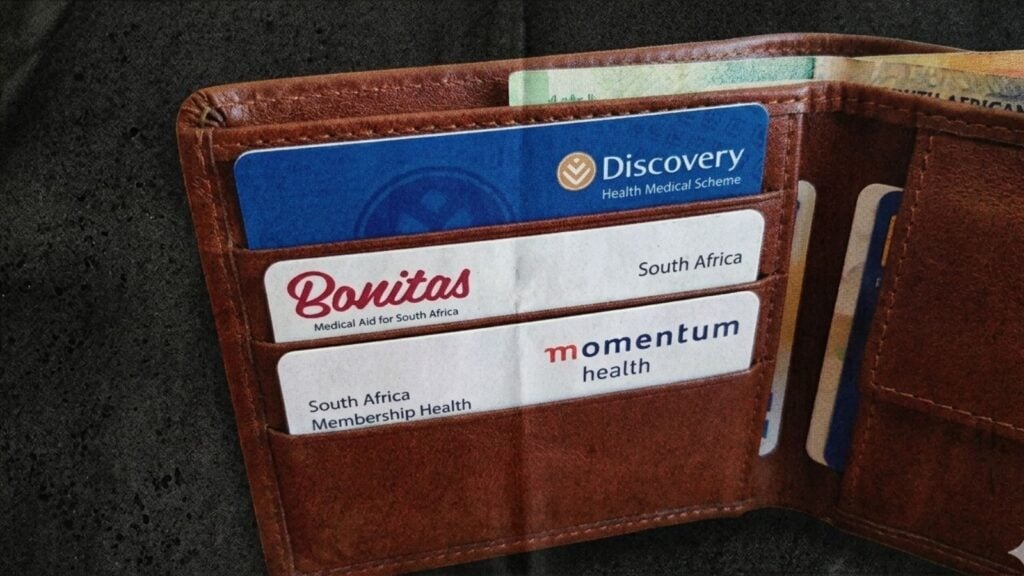
Every month, South African families sacrifice thousands of rand to keep their medical aid active.
For many households, it competes with groceries, school fees, transport and electricity. Yet the framework determining the minimum healthcare these members must receive has not undergone a major overhaul since 2003.
Now, after more than two decades of rising healthcare costs and increasingly painful contribution increases, the Council for Medical Schemes is preparing significant changes to South Africa’s Prescribed Minimum Benefits.
The reform could transform what medical schemes are legally required to cover. However, the real question is whether members will receive better and more affordable healthcare, or whether the changes will mainly help medical schemes contain costs.
Prescribed Minimum Benefits, commonly known as PMBs, are healthcare benefits every registered medical scheme must provide, regardless of the plan a member has selected.
According to the Council for Medical Schemes, PMBs currently cover emergency medical conditions, 271 defined medical conditions and 26 chronic diseases.
These benefits remain available even after a member’s normal benefits have been exhausted. Members may, however, have to follow their scheme’s treatment protocols, use approved medicines and visit designated service providers to receive full cover.
The current system is largely diagnosis-based. This means a patient generally needs to be diagnosed with a condition on the prescribed list before the related treatment qualifies for mandatory cover.
The problem is that South Africa is trying to meet today’s healthcare needs using a framework last substantially updated 23 years ago.
PMBs are meant to be reviewed every two years, yet repeated attempts to modernise the package have failed to produce significant changes. During that time, healthcare costs, treatments and South Africa’s burden of disease have continued to evolve.
Medical aid members have paid the price for that delay.
Katlego Mothudi, managing director of the Board of Healthcare Funders, told The Money Show that basic medical scheme cover costs approximately R1,600 per beneficiary each month. A family of three could face a bill of around R4,000 before receiving additional benefits.
In Circular 22 of 2026, the CMS confirmed that it is moving towards a service-based Primary Health Care package.
Instead of relying mainly on a rigid list of diagnoses, the proposed model would focus more closely on the services patients need. This could provide greater access to primary care, screening, vaccination, essential medicine and preventative treatment.
The CMS plans to collect updated claims information from medical schemes to calculate the cost of the new package and determine whether it is affordable. It is also developing a base-benefits package combining essential primary healthcare with protection against severe and financially devastating conditions.
Ten new PMB definition guidelines are also being prepared to update treatment protocols and essential medicine lists while the broader review continues.
The potential shift matters because South Africa’s healthcare funding system often provides its strongest protection only after a patient becomes seriously ill. Earlier screening and disease management could identify problems before they require hospitalisation or expensive specialist treatment.
When the CMS briefed Parliament, it identified inadequate preventative care, delayed cancer diagnoses, specialist shortages and an estimated R43 billion in out-of-pocket healthcare spending during 2023/24.
The regulator also reported complaints involving rejected or partially paid PMB claims, disputes over designated service providers and difficulty accessing approved providers in rural areas.
These problems expose an uncomfortable truth. Healthcare may be guaranteed on paper while remaining confusing, expensive or practically inaccessible to the patient who needs it.
A service-based package could improve access and encourage earlier treatment. But if it is drawn too narrowly, it could also weaken existing protection for people with serious illnesses. Medical schemes should not receive greater flexibility without equally strong safeguards for members.
There is also no guarantee that reducing or redirecting scheme expenditure will result in lower contributions. If reform produces savings, members deserve to know whether those savings will reach their pockets or disappear quietly into the machinery of the industry.
No final package, implementation date or effect on monthly contributions has been announced. For now, the proposed medical aid changes remain a work in progress, not a completed rescue plan.
After 23 years, South Africans deserve more than another technical review. They deserve medical aid cover that prevents illness earlier, protects them when serious illness strikes and provides genuine value for every increasingly expensive rand they contribute.
Source:
https://www.medicalschemes.co.za/resources/pmb/?utm_source=chatgpt.comhttps://businesstech.co.za/news/lifestyle/872140/big-changes-for-medical-aids-in-south-africa-are-coming/
https://pmg.org.za/committee-meeting/41641/?utm_source=chatgpt.com
https://www.medicalschemes.co.za/latest-publication/circular-22-of-2026-prescribed-minimum-benefits-pmb-review-update/?utm_source=chatgpt.com
https://www.discovery.co.za/corporate/health-you-always-have-cover-for-pmb?utm_source=chatgpt.com