

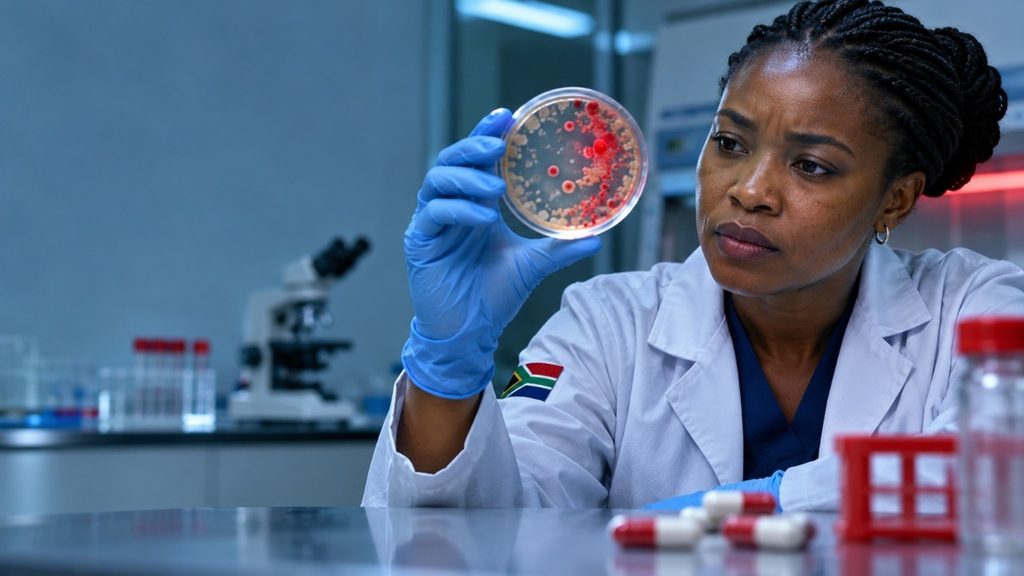
Antimicrobial resistance could cause 39 million deaths over the next 25 years, the World Health Organization has warned, according to a report by Al Jazeera. Drug-resistant infections are also making routine medical care, including surgery and childbirth, riskier.
In 2023, about one in six laboratory-confirmed bacterial infections reported to the WHO was resistant to the antibiotics used to treat it.
The WHO’s Sylvia Bertagnolo says limited access to testing can leave clinicians without the information they need to choose effective treatment.
“Without testing, clinicians must treat without knowing the cause of infection or which antibiotic will work,” said Bertagnolo, the agency’s head of antimicrobial resistance surveillance.
Plans exist, but testing remains limited
A WHO review of 183 countries found that 173 had developed national plans to tackle antimicrobial resistance. However, only 42 countries reported that their plans were funded, implemented and monitored.
Just 36% of countries had a national reference laboratory equipped to test for selected bacteria and fungi. The WHO has released tools to help countries improve diagnostic testing and laboratory procedures.
The South African link
The National Institute for Communicable Diseases says its wastewater surveillance has detected antibiotic-resistant bacteria in South African rivers, wastewater and other water systems.
The NICD advises people to use antibiotics only when prescribed, and never to share them or save them for later.