

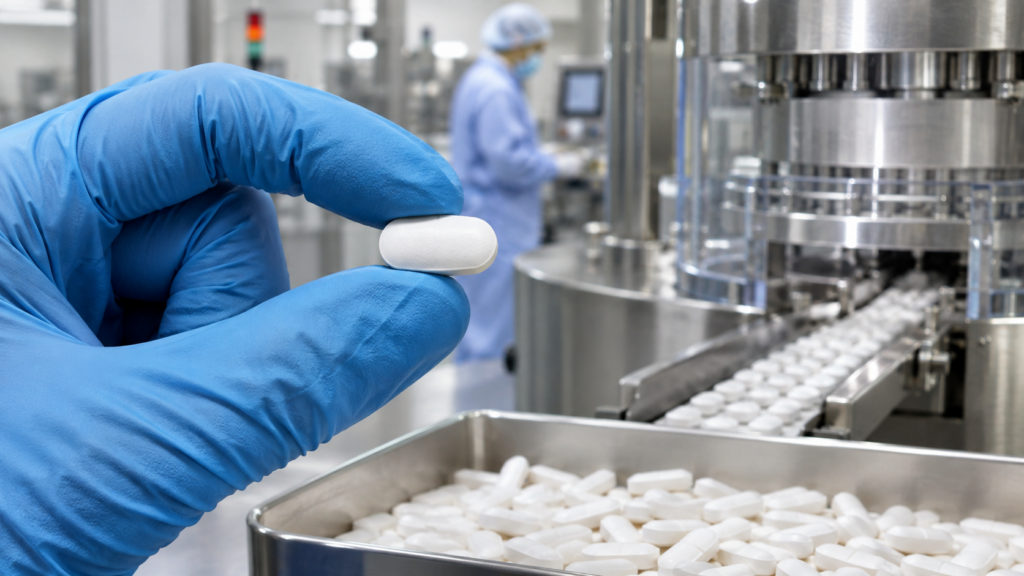
Aspen is preparing to manufacture an experimental monthly HIV prevention pill before final trial results are available, raising hopes of easier prevention but leaving questions over affordability and government purchases.
Developed by MSD, the medicine, alimatravir, must prove safe and effective in final-stage trials and receive regulatory approval before commercial use. Aspen signed a licensing agreement in July covering 129 countries, including all African countries.
What could a monthly HIV prevention pill change?
Alimatravir is being tested as pre-exposure prophylaxis, or PrEP: medicine taken by people without HIV to prevent infection. A monthly tablet could offer another choice alongside daily prevention pills and long-acting injections.
HIV prevention activist Yvette Raphael explained its appeal to Bhekisisa: “I may struggle by a daily, but I will not struggle by a monthly.”
People would still need to remember their monthly dose. However, Health Minister Aaron Motsoaledi said the option could help people maintain their prevention routine, particularly adolescent girls and young women disproportionately affected by new infections.
Will South Africans be able to afford it?
Aspen has not announced its price. Manufacturing the pill locally would also not automatically secure a government contract.
Health department spokesperson Foster Mohale told Bhekisisa that procurement would consider affordability, effectiveness, local manufacturing and reliable long-term supply.
For people relying on public clinics, those decisions would help determine access.
UNAIDS deputy executive director Angeli Achrekar has called for affordable access from the outset if the medicine succeeds.
“No one should have to wait years for life-saving HIV prevention,” she said.
What could local production mean for businesses?
The agreement creates an opportunity for Aspen to supply public and private healthcare markets across its licensed territories. Technical support from MSD could also strengthen local pharmaceutical manufacturing expertise.
But preparing production before approval carries commercial risk. Without guaranteed government orders, Aspen faces uncertainty over whether demand will justify its investment.
Bhekisisa reports that final-stage trial results could become available in the second half of 2027.
Trial results, regulatory approval, pricing and government purchasing decisions will determine whether and when South Africans can access the pill.