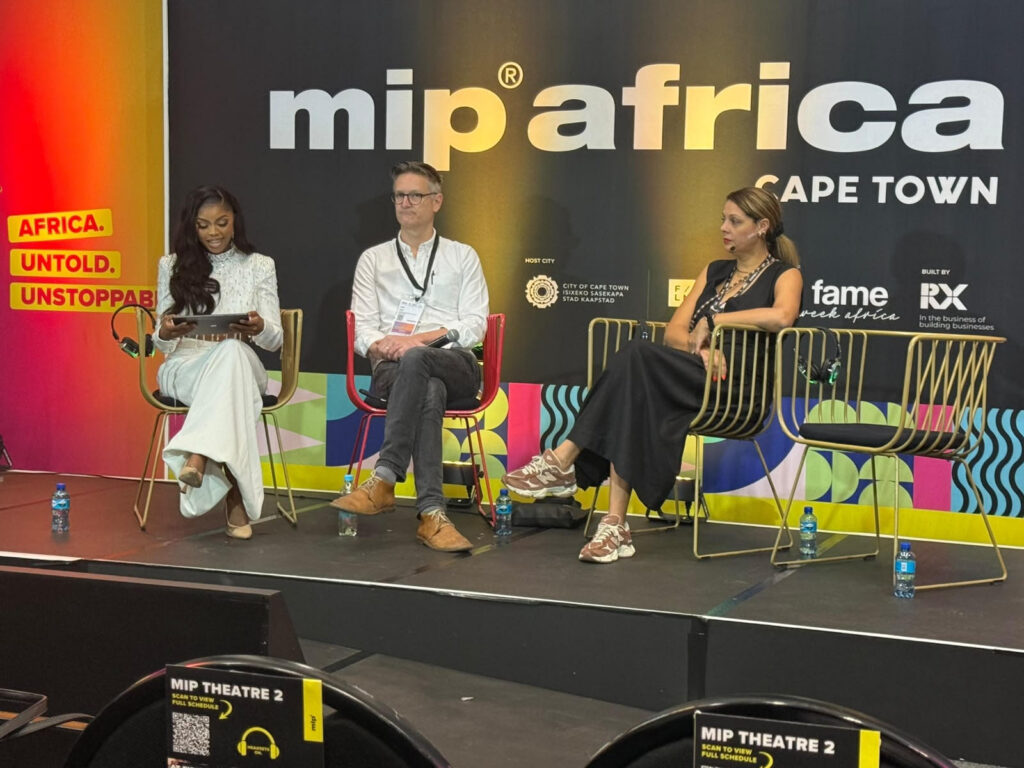
Cape Town FAME Week Africa – A film shot in the streets of Phoenix, Durban, an international audience captivated by Zulu storytelling and fresh prospects for cross-border productions have helped make KwaZulu-Natal’s presence felt at MIP Africa, an international film and television market held in Cape Town. Also read: BOLD AFRICAN STORIES, GLOBAL CONNECTIONS AND A CELEBRATION OF CREATIVE TALENT – FAME WEEK AFRICA 2026 OPENS
For KZN Tourism and Film, the market delivered more than a platform to showcase the province. It provided opportunities to deepen relationships with international partners, explore new avenues for co-productions and hear directly from filmmakers whose experiences demonstrate what KwaZulu-Natal has to offer.
And the message from the industry was encouraging: KwaZulu-Natal has the locations, creative talent, cultural authenticity and production support to attract filmmakers looking for something distinctive.
Pinky Radebe, Head of PR and Communications at KZN Tourism and Film, said the province’s participation had brought together two important elements of its film development ambitions: international opportunities and the experiences of producers already working in KwaZulu-Natal.
“There is something powerful about hearing filmmakers speak about their actual experiences in KwaZulu-Natal. It tells a far more compelling story than any promotional presentation could.
“We have also had productive engagements with industry partners, opening conversations about co-productions, market access and how we can create more opportunities for our filmmakers. What matters now is taking these relationships forward,” said Radebe.
Table of Contents
Key Highlights
Stand Location
The delegation exhibited at Stand D04, promoting KZN as a premier destination (“Why the World Comes to KwaZulu-Natal”) for film, television, and tourism production.
Global & Regional Networking
KZN representatives connected local film and TV producers, creative talent, and content creators with international and domestic industry decision-makers.
Key Sessions & Panels
- Featured panels explored screen industry funding, skills development, and growing South Africa’s creative economy (with insights from agency representatives like Jacqueline Rainers-Setai).
- Discussions highlighted KZN’s cultural heritage, television production capability, and regional film fund support.
A Durban Production Makes the Case for KZN
One of the strongest endorsements came from Luke Rous, Executive Producer and Co-founder of Rous House Productions, who shared his experience producing Lucky Fish, filmed largely in Phoenix, Durban.
Speaking during a KZN Tourism and Film panel discussion, Why the World Comes to KwaZulu-Natal: Culture, Content and the Creative Economy, Rous praised the support received from KZN Tourism and Film and the Durban Film Office.
But it was his experience on the ground that offered a particularly persuasive account of filming in the province.
“The community embraced us. We had no issues. It was safe. It was secure. It was lovely.”
Rous highlighted the accessibility of locations, local production support and the enthusiasm of emerging talent as reasons for considering KwaZulu-Natal for future projects.
He also made a strong case for the economic impact of film production.
“We know that film production is a multiplier effect. 60% of a film’s budget doesn’t go on screen, it goes to supplier, hotel rooms, fuel, vehicles, catering, etc, etc.”
His observations brought into focus an important dimension of the province’s film ambitions: every production has the potential to generate business for accommodation establishments, transport operators, caterers, equipment suppliers and surrounding communities.
Rous also encouraged continued investment in production incentives, skills development and larger, longer-running projects that could create sustained employment for local crews.
Creativity is an Asset – Business Makes it Sustainable
Award-winning producer and Arclight Productions founder Jacintha de Nobrega reinforced the province’s appeal as a collaborative production environment.
She highlighted the accessibility of industry networks and the willingness of local organisations and filmmakers to support productions.
However, she was equally clear that creativity needs to be matched by commercial opportunity.
“Money, money, money and business,” she said when asked what was needed to take the industry forward.
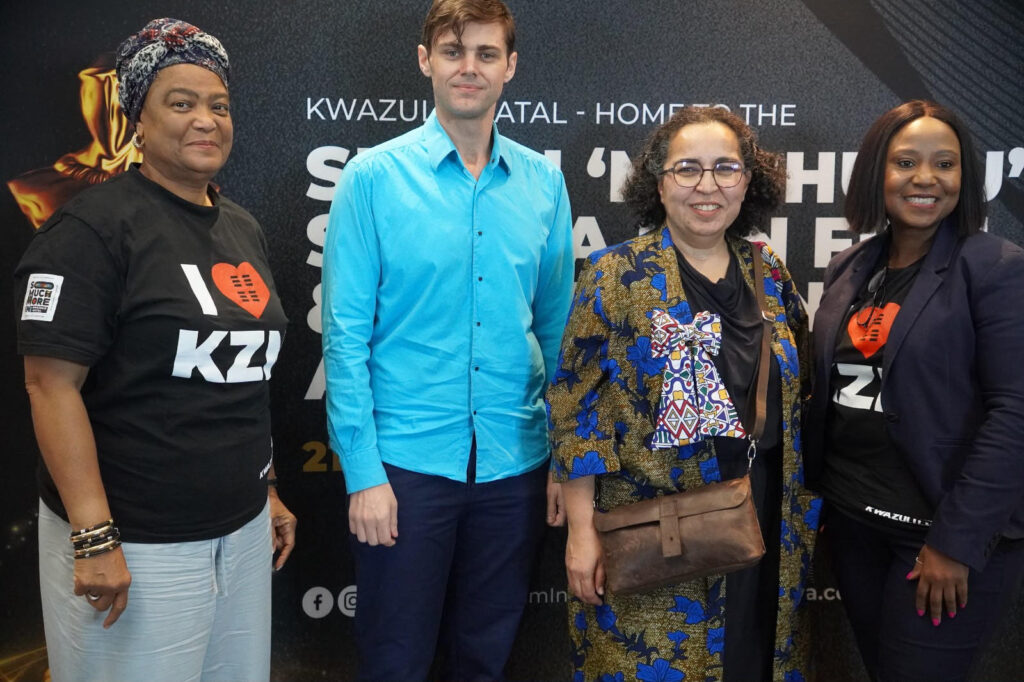
Her comments underscored the importance of financing, production investment and business development in building on KwaZulu-Natal’s creative strengths.
The discussion, moderated by Ayanda G. Thabethe, also examined how the province could build on its existing production capabilities while expanding opportunities for local filmmakers.
Zulu Storytelling Travel
For celebrity stylist and creative director Phupho Gumede K, KwaZulu-Natal’s international appeal extends beyond its landscapes and filming infrastructure.
Its cultural identity, he argued, is a creative asset in its own right.
“Fashion is language, identity, culture, sometimes rebellion.”
Gumede pointed to Shaka iLembe as an example of how costume, cultural expression and storytelling can capture the attention of audiences far beyond South Africa.
His contribution illustrated the increasingly close relationship between film, fashion, heritage and tourism, with KwaZulu-Natal’s stories and cultural identity offering distinctive opportunities for international creative collaboration.
New International Opportunities On the Table
While local industry voices made a compelling case for KwaZulu-Natal, the Authority also pursued opportunities to expand the province’s international industry connections.
Discussions with the United Kingdom’s Department for Business and Trade in South Africa explored opportunities for market access and stronger links with overseas film industry networks.
Engagements with the French Institute of South Africa built on discussions dating back to 2024, including opportunities to strengthen cooperation under the existing audiovisual co-production treaty between South Africa and France.
The Authority explored the possibility of formalising cooperation through a memorandum of understanding, with proposals including French and Southern African Development Community (SADC) filmmaker participation at Durban FilmMart and location familiarisation tours to introduce international producers to KwaZulu-Natal.
The discussions involved Sofia Saa, Regional Head of New Media, Film and Television in Southern Africa, and Reuben Watney, Executive Producer at the French Institute in South Africa.
Closer to home, discussions with the Eastern Cape Development Corporation explored re-establishing an MOU to encourage interprovincial production collaboration and knowledge-sharing.
These engagements provide potential avenues for further cooperation, subject to follow-up discussions.
Beyond the Conference Floor
KZN Tourism and Film also participated in the Netflix Producers Mixer, Creative Leaders Networking with Actors Spaces and the African Women in Entertainment Breakfast, connecting with producers, creative professionals and industry decision-makers.
The delegation included board member Diana Hoorzuk and Interim Chief Operating Officer Phindile Makwakwa.
As part of its enterprise development programme, KZN Tourism and Film also supported seven KwaZulu-Natal filmmakers to attend MIP Africa, giving them access to industry networks and opportunities to engage with broadcasters, producers, distributors and potential business partners. Their participation reflects the Authority’s commitment to helping local filmmakers reach new markets, build commercial relationships and develop sustainable film businesses.
Engagements with Cape Town media stakeholders formed part of the Authority’s efforts to broaden awareness of KwaZulu-Natal’s film offering and strengthen relationships with the national media.
For Radebe, the most important outcome was the combination of industry endorsement and new opportunities for collaboration.
“We have heard from producers who have experienced what KwaZulu-Natal can deliver, from creative professionals whose work is reaching international audiences and from potential partners interested in exploring opportunities with us.
“That is a strong foundation on which to build. Our responsibility now is to take these conversations beyond MIP Africa and ensure that they contribute to more productions, stronger creative businesses and greater opportunities for the people of KwaZulu-Natal.

“The province has a story worth telling, and increasingly, the world is paying attention,” concluded Radebe.
Source and References
About KwaZulu-Natal
Each region in KZNoffers distinct experiences, accommodation options and travel considerations.
Road travel connects most regions within manageable driving distances. KwaZulu-Natal’s regions are connected by major road networks. Your starting point will influence drive times, but most visitors travel either from Durban Central or King Shaka International Airport on the North Coast.
Road travel offers the most flexibility, especially when combining multiple regions in one itinerary. Fuel stations and rest stops are widely available along major routes
Links
https://www.sabcnews.com/sabcnews/kzn-looking-to-attract-international-film-productions/