The City’s latest 2026 Water Outlook does not indicate an immediate risk to water supply, but the risk of restrictions has increased compared with previous years, particularly if demand continues to grow and rainfall is lower than expected.
The 2026 Water Outlook shows that water demand increased above the 1,5% target during the 2025/26 financial year, largely due to an early end to the rainy season which yielded below-average rainfall, followed by an extended drier summer. Household water use has also stayed higher than expected during winter, dropping primarily when it rains.
‘We are not waiting for the next drought to start preparing. We are investing now in new water sources and better ways of managing our existing resources. Our objective is to build a water supply system that is more diverse, more resilient and better able to withstand drought, climate uncertainty and the demands of a growing city.
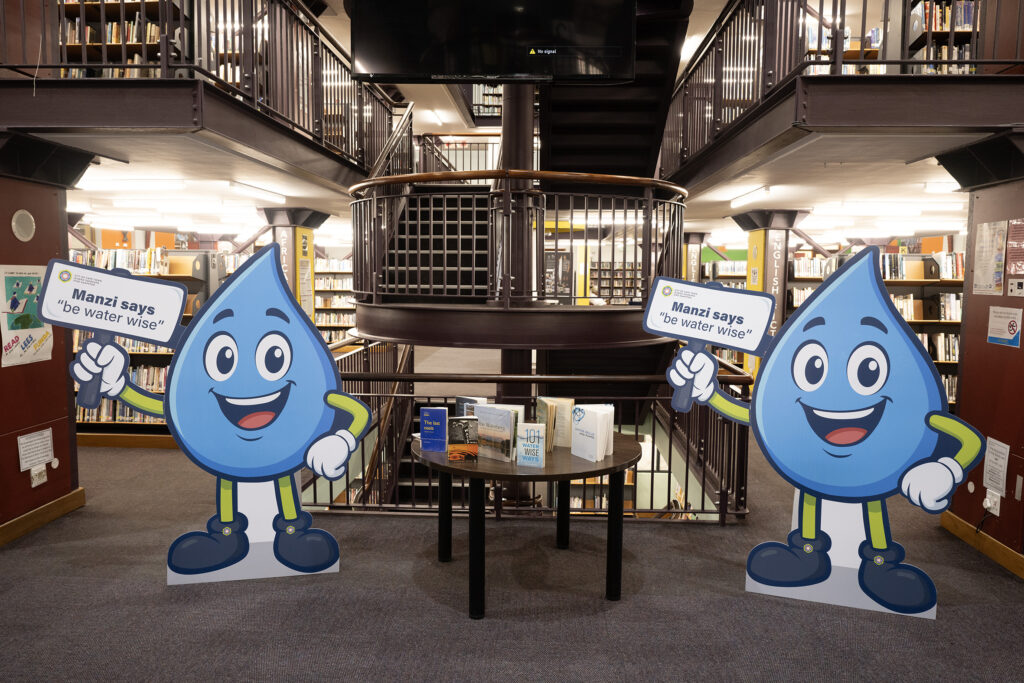
‘The City encourages residents and businesses to continue using water wisely. Every reduction in unnecessary water use helps to protect Cape Town’s available resources and gives the system greater flexibility to manage future pressures,’ said Mayoral Committee Member for Water and Sanitation, Councillor Zahid Badroodien.
Dam levels are currently stable, but rainfall is uncertain
Heavy rain and flooding earlier this year helped the dams fill sooner than expected. By early July 2026, total dam storage was about 76% and the City assessed the immediate risk to the water supply as low. However, seasonal forecasts point to below-average rainfall for the rest of the rainfall season. The City is closely monitoring climate conditions to assess the possible need for low level restrictions.
Managing the risks
Cape Town’s water security is affected by more than rainfall alone. The City is actively managing a combination of factors, including higher demand, infrastructure constraints, planned maintenance and the complexities and dependencies of long-term new water projects.
Building a water-secure Cape Town
The City’s New Water Programme, which focusses on having diverse water sources, is central to the long-term response to help build a water-secure future for Cape Town in the face of climate change. It is expected to deliver a peak capacity of 300 million litres of additional water per day by 2036, through a combination of groundwater, surface water augmentation, reuse, desalination and nature-based solutions. This will result in an annual volume of roughly 100 million cubic meters of additional water per year.
Importantly, some of these projects are already contributing to Cape Town’s water supply:
- Nature-based solutions
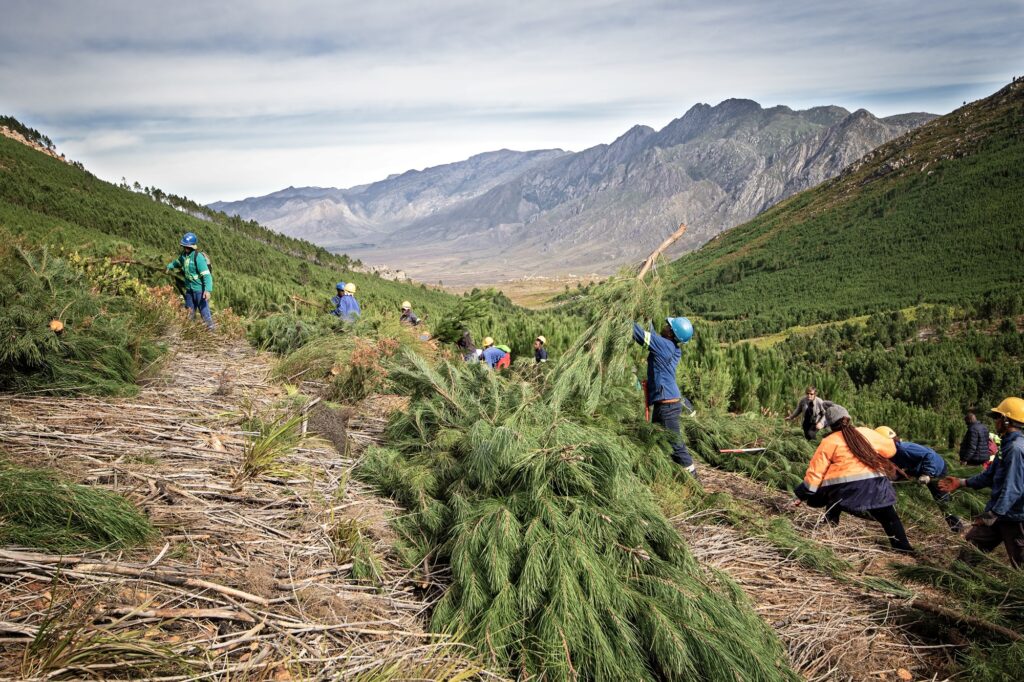
Water security is not only about building new infrastructure, so the City is also investing in the natural catchments that supply Cape Town’s dams through the clearing of invasive alien vegetation. The Greater Cape Town Water Fund has been clearing invasive alien plants in strategic areas of the Western Cape Water Supply System since 2019. The Water Outlook estimates that this work can make an additional 30 million litres of water per day available to the system (i.e. approximately 11 billion litres a year).
- Groundwater
· The Table Mountain Group Aquifer is operational, with production being gradually increased since the pumping performance issues were resolved. The environmental impact is being closely monitored.
· The Atlantis Water Resource Management Scheme has also been expanded, although production is currently affected by the large scale theft of electrical cables.
· The Cape Flats Aquifer Management Scheme is progressing well, with 74 production boreholes completed.
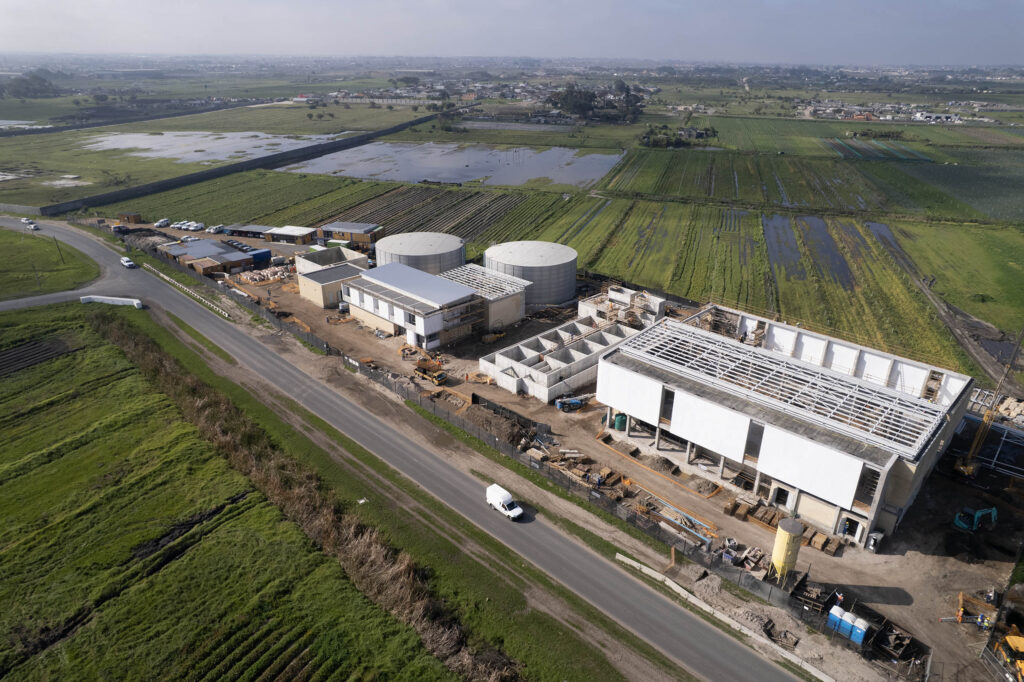
· The six million litres per day (ML/day) Strandfontein West Water Treatment Plant is to be commissioned, while construction of the 10 ML/day Hanover Park/Philippi plant is under way and design of the 38 ML/day Mitchells Plain plant is nearing completion.
- Surface water augmentation
The Berg River-Voëlvlei Augmentation Scheme is being implemented by the Trans Caledon Tunnel Authority on behalf of the National Department of Water and Sanitation and is expected to provide approximately 40 ML/day, with delivery now anticipated in 2030 following various financing and procurement delays that have been experienced.
- Reuse and Desalination
The Faure New Water Scheme is planned to provide up to 70 million litres per day in its first phase. The City is working through the complex procurement, legal and governance requirements associated with its first large-scale municipal public-private partnership. The Request for Qualification process is expected to be advertised in September 2026, with first water currently anticipated in 2031.
Regarding the planned 70 million litre-per-day Paarden Eiland Desalination Plant, the Transnet National Port Authority (TNPA) advised in November 2025 that it intended to update its Port Development Framework Plan (PDFP) in 2026 and that this may materially impact the feasibility study assumptions for this project. Given this uncertainty, the City is proactively investigating alternative options and sites to ensure that the project is technically feasible, affordable and properly integrated into the wider water supply system. Under these circumstances, the expected delivery date for desalination is 2036.
Water-wise use remains essential
While the current water supply situation is stable, managing water demand is a key cornerstone. The City is implementing a range of measures, including leak detection and repair, pressure management, infrastructure replacement, improved metering and other water demand management interventions.
Source: City of Cape Town