
South Africa’s next interest rate decision is due on 23 September 2026. Here’s what a possible SARB rate hike could mean for your bond, debt and monthly budget.
For South Africans already stretching salaries across home loans, car repayments, groceries and electricity, a movement of just 0.25 percentage points in interest rates might sound insignificant.
For a household budget, it is anything but.
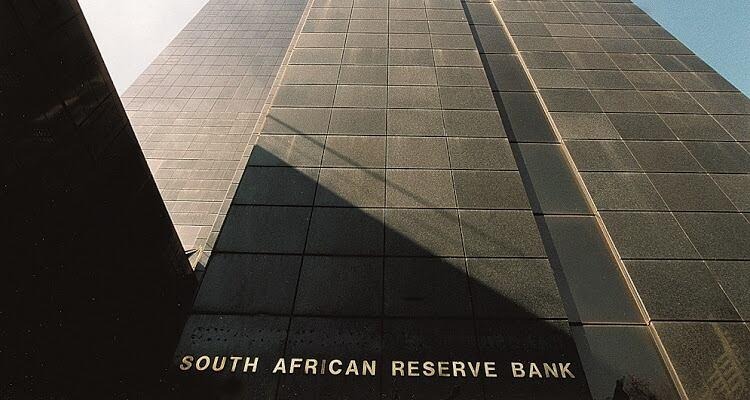
The South African Reserve Bank’s Monetary Policy Committee will announce its next interest rate decision on 23 September, with the repo rate currently at 7% and the prime lending rate at 10.5%.
Ahead of the decision, borrowers are receiving conflicting signals. Inflation expectations are easing, offering some hope that rates could remain unchanged. But oil prices, global monetary policy and other inflation risks mean higher borrowing costs are not off the table.
Table of Contents
Inflation Expectations Offer Some Hope
The latest Bureau for Economic Research inflation expectations survey provided an encouraging signal.
Reuters reported that average two-year-ahead inflation expectations eased to 3.8% in the third quarter, from 3.9% previously, while five-year expectations remained at 3.8%.
The figures matter because inflation expectations can influence wage negotiations, price-setting behaviour and monetary policy.
BER economist Nicolaas van der Wath told EWN that longer-term inflation expectations had moved lower despite significant uncertainty around oil prices.
There was also a shift among ordinary South Africans. According to Reuters, household expectations for inflation over the next 12 months fell to 5.5%, from 6.6% in the previous survey.
Encouraging, yes. A guarantee of cheaper debt, no.
Borrowers Are Not Out of Danger
BusinessTech reports that financial markets have been pricing in the possibility of another 25 basis point increase.
Global developments have added another layer of uncertainty.
The US Federal Reserve raised its benchmark interest rate by 25 basis points on 16 September to a range of 3.75% to 4%, with policymakers indicating another increase could follow before the end of 2026.
Reuters reported that US policymakers also raised their near-term inflation forecasts, with energy costs linked to the Middle East conflict contributing to renewed price pressures.
South Africa does not simply follow US interest-rate decisions, but global rates, energy prices, currency movements and international financial conditions form part of the environment facing the Reserve Bank.
What a 25 Basis Point Hike Could Cost You
This is where a seemingly small rate increase becomes very real.
According to calculations published by Bond.co.za, a 25 basis point increase from a prime lending rate of 10.5% to 10.75% would add approximately R168 a month to repayments on a R1 million, 20-year home loan priced at prime.
On a R1.5 million bond, the increase would be around R253 a month, or just over R3,000 a year.
For a R2 million bond, it rises to approximately R337 a month, or more than R4,000 annually.
That may not look catastrophic in isolation. But for households already paying for food, fuel, electricity and other essentials, another few hundred rand leaving the account every month matters.
Nedbank explains that changes in the repo rate filter through to commercial lending rates, affecting borrowing costs on products such as home loans and other variable-rate debt.
Interest rates are not merely numbers discussed by economists in Pretoria. They eventually arrive in debit orders.
Difficult Decision for the Reserve Bank
The Reserve Bank faces a difficult balancing act.
BusinessTech notes that inflation eased to 4.3% in July from 5% in June, while the latest expectations data suggest longer-term inflation expectations are becoming better anchored.
But energy prices and international developments continue to pose inflation risks.
The July MPC decision also exposed disagreement within the committee. The repo rate was held at 7% by a four-to-two vote, with two members preferring a 25 basis point increase.
That makes September’s decision particularly significant.
August’s official consumer inflation figures are also scheduled for release on the morning of 23 September, the same day the Reserve Bank announces its interest rate decision.
For indebted South Africans, the announcement will therefore be about considerably more than a percentage point in a Reserve Bank statement.
Whether rates rise or remain unchanged could determine how much households have left after the bond, car and other debt repayments are made.
And when budgets are already tight, even 25 basis points can find their way to the kitchen table.
Source and References
Also read: Oil Climbs Above $100 as Middle East Conflict Raises New Cost-of-Living Concerns
https://businesstech.co.za/news/finance/875738/good-news-about-interest-rates-in-south-africa
https://www.reuters.com/world/africa/south-african-inflation-expectations-stabilise-third-quarter
https://cib.nedbank.co.za/content/nedbank/za/en/personal/borrow/debt-assistance/repo-rate
https://bond.co.za/news/what-a-rate-change-does-to-your-bond-repayment