
Youth ideas are fuelling evolution and suppliers, retailers and surplus food recovery partners are moving the Biggest Hunger Hack from innovation to impact
Ideas generated by the youth of South African are fundamentally fueling the evolution of KFC Add Hope, South Africa’s biggest corporate feeding programme, with new partners, new revenue and millions more meals served to vulnerable children countrywide.
At the Biggest Hunger Hack a year ago, KFC open-sourced the Add Hope secret recipe and invited the youth, 60 young innovators to rethink hunger solutions. The hackathon generated ideas that were radical, practical and sometimes surprising.
Table of Contents
Hunger is a Societal Challenge
But the real innovation was what happened next.
“In 2026, KFC had to face a very real reality. Hunger is a societal challenge that is too big for one brand alone to solve. And so, through the Biggest Hunger Hack we were reminded of something Add Hope already knew,” says Andra Nel, KFC Africa People, Culture & Purpose Director. “When you invite diverse minds to solve a problem together, the solutions are better. More importantly, they work. That’s what Add Hope 2.0 is now demonstrating.
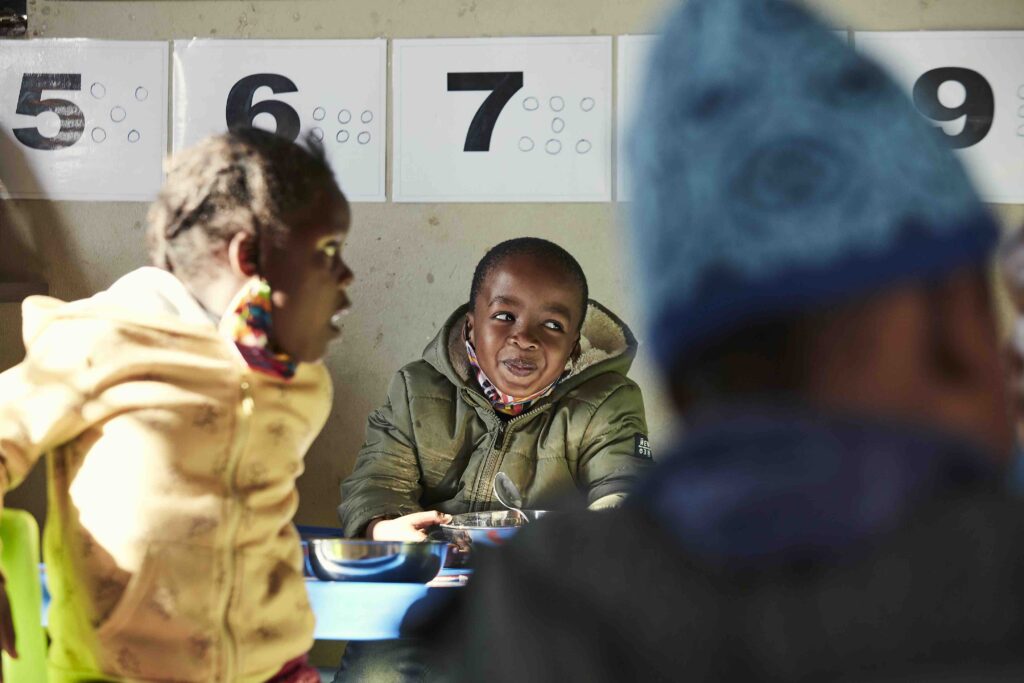
“The growth in Add Hope’s impact is a direct outcome of the Biggest Hunger Hack. It is powered by strategic external partnerships, inspired directly by youth solutions that have reduced the cost of feeding, and by digital innovations that are unlocking new sources of donations that help those that need it most.”
Partnering for Efficiency
The Biggest Hunger Hack’s collaborative spirit is becoming an operational reality through the partnerships supporting Add Hope. The ecosystem continues to evolve, with partners continuing to support Add Hope through 2026 as the programme moves towards more targeted and recurring contributions.
Youth and Supplier Partnerships
Supplier partnerships are reducing the cost of key ingredients, lowering the cost of each meal and extending the reach of Add Hope funding.
Approximately R2.74 million in supplier contributions in 2026 alone have translated into about 955,000 meals. Partner companies include McCormick, CPT, Digistics, Sun Salt, Nature’s Garden, Unilever, Sovereign Foods and Afgri.
“Add Hope is now moving from ad hoc contributions towards more targeted and recurring partnerships,” says Nel. “We have identified the biggest costs in the Add Hope food basket and we are targeting suppliers who can help reduce them. We have seen overwhelming willingness from these partners to be a part of the solution.”
Central Procurement
Central procurement through partnerships with major retailers is using their collective buying power to drive down the cost of basics for Add Hope feeding partners. Nel says these partnerships are helping to further reduce costs across key food items, allowing Add Hope funding to stretch further and ultimately give more to those that need it most.
Surplus food recovery through FoodForward SA is supplementing traditionally procured food, adding top quality farm, retail and restaurant contributions to meals for vulnerable children at the same time as reducing Add Hope’s food bill by 14%.
Nel says this is a direct outcome of the hackathon, where the winning team developed a prototype app to rescue surplus produce from farms – some of the 10 million tonnes of food that goes to waste every year, according to WWF.
FoodForward SA managing director Andy Du Plessis says connecting its national surplus food recovery network to Add Hope’s feeding infrastructure solves two problems at once. “We’re diverting good quality food from landfills and using this good food to feed people in vulnerable communities,” he says.
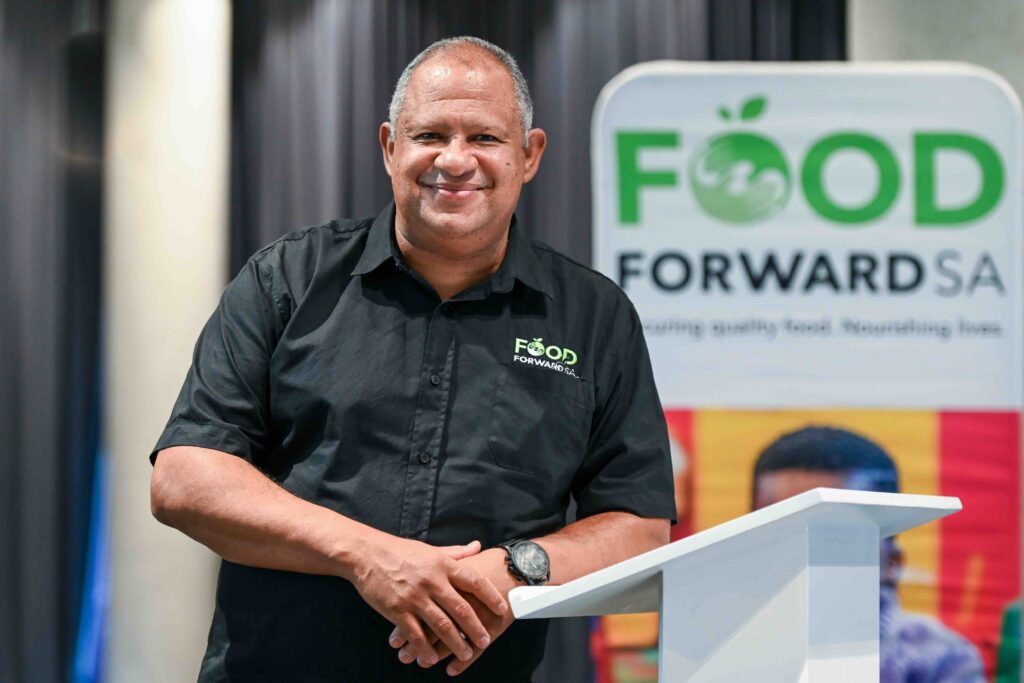
“This partnership shows that solving hunger isn’t about creating new resources, it’s about redirecting the ones we already have. That’s the future of food security in South Africa.”
Targeting 3.2 Million Extra Meals
Together, these mechanisms are projected to contribute an additional 3 million meals in 2026 alone with a pathway to scale already confirmed, proving that collaboration at the design stage translates into scale at the implementation stage.
Digital optimisation flowing from winning hackathon ideas is expected to contribute another 200,000 meals by bringing donation mechanisms to delivery apps and kiosks, and by enabling KFC Rewards to be transferred to Add Hope. Mr D prompts have already generated R180,080 from 33,874 transactions since going live in March, and Uber Eats has also recently launched this feature.
“What started as a question to the youth and young innovators has become a way of working,” says Nel. “We are thinking differently about partnerships, about efficiency, and about what’s possible when you treat the entire ecosystem as a resource. That’s the real hack.
Nel says the Biggest Hunger Hack and the partnerships formed as a result have been transformational for Add Hope, but they are just the start.
“More partnerships will mean greater impact, and with more than 17 million people experiencing food insecurity, the need is overwhelming,” she says. “The point of open-sourcing Add Hope was never to keep the best ideas for ourselves, so we encourage people to read the blueprint and join our mission.

“The message for World Food Day is that we do not necessarily need to invent more resources to fight hunger. The Biggest Hunger Hack proved that we can get much smarter about unlocking the resources, food, technology and supply chains that already exist.”
Q&A
What was the Biggest Hunger Hack? The Biggest Hunger Hack was a hackathon organised by KFC in 2025, coinciding with World Food Day. KFC open-sourced the Add Hope secret recipe and invited 60 young innovators to propose solutions that made it better. The hackathon generated practical, scalable ideas that have been integrated into Add Hope’s operations.
How does Add Hope help fight child hunger? Add Hope works through a simple model: KFC customers add R2 donations to their bill, KFC supplements that amount, and together every R2 becomes a meal for a child. The system operates through 126 partner organisations running over 3,000 feeding centres across South Africa. In 2025, it served more than 35 million meals to 167,560 children.
What is Add Hope 2.0? Add Hope 2.0 is the next phase of the programme, focusing on using the scale of the KFC ecosystem, external partnerships and digital optimisation to increase impact. Rather than relying solely on donations by customers, supplemented by KFC’s own contribution, Add Hope 2.0 is using operational efficiencies, supplier partnerships and surplus food redistribution to feed more people with available resources.
What is the Partnering for Efficiency workstream? Partnering for Efficiency is an Add Hope 2.0 workstream that focuses on three mechanisms: supplier partnerships that reduce ingredient costs, centralised procurement that creates operational efficiencies, and surplus food redistribution that turns what would otherwise be waste food into nutritious meals. Together, these are projected to contribute an additional 3 million meals in 2026.
How do supplier partnerships reduce feeding costs? Strategic supplier partnerships lower the cost of key ingredients used in Add Hope meals. This means KFC’s feeding budget stretches further, unlocking more meals from the same funding.
What is the surplus food redistribution model?
Through a partnership with FoodForwardSA, food that would otherwise be waste is collected from farms, restaurants and retailers and redistributed to Add Hope partner organisations working with vulnerable communities.
What is the overall impact of Add Hope 2.0? Add Hope expects to serve 38 million nutritious meals to vulnerable children throughout South Africa in 2026, compared with 35 million in 2025. The Partnering for Efficiency workstream is projected to contribute 3 million meals through reduced costs and reinvested efficiencies. Another 200,000 meals are expected to come from digital optimisation.
How did the Biggest Hunger Hack lead to these initiatives? The hackathon asked the youth of South Africa, 60 young innovators to hack the Add Hope secret recipe to make it more efficient. KFC then implemented the best ideas into Add Hope’s operations. Supplier partnerships, procurement efficiencies, redistribution models and digital optimisations all originated in ideas proposed during the hackathon process.
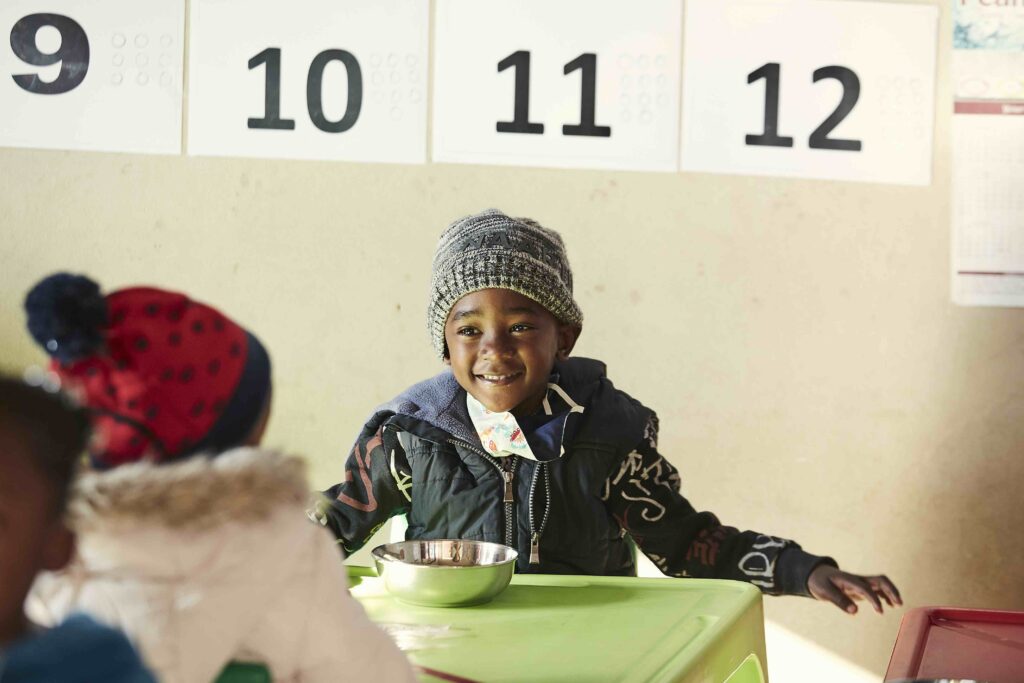
Why choose World Food Day for this announcement? World Food Day is a global opportunity to reflect on food security. The Biggest Hunger Hack coincided with World Food Day in 2025, marking the beginning of this journey. World Food Day 2026 marks the transition from innovation to implementation – proof that collaborative problem-solving delivers measurable impact.
Source and References
Also read: KFC Rewards Passions With New Loyalty Rewards Programme
FyfePR